
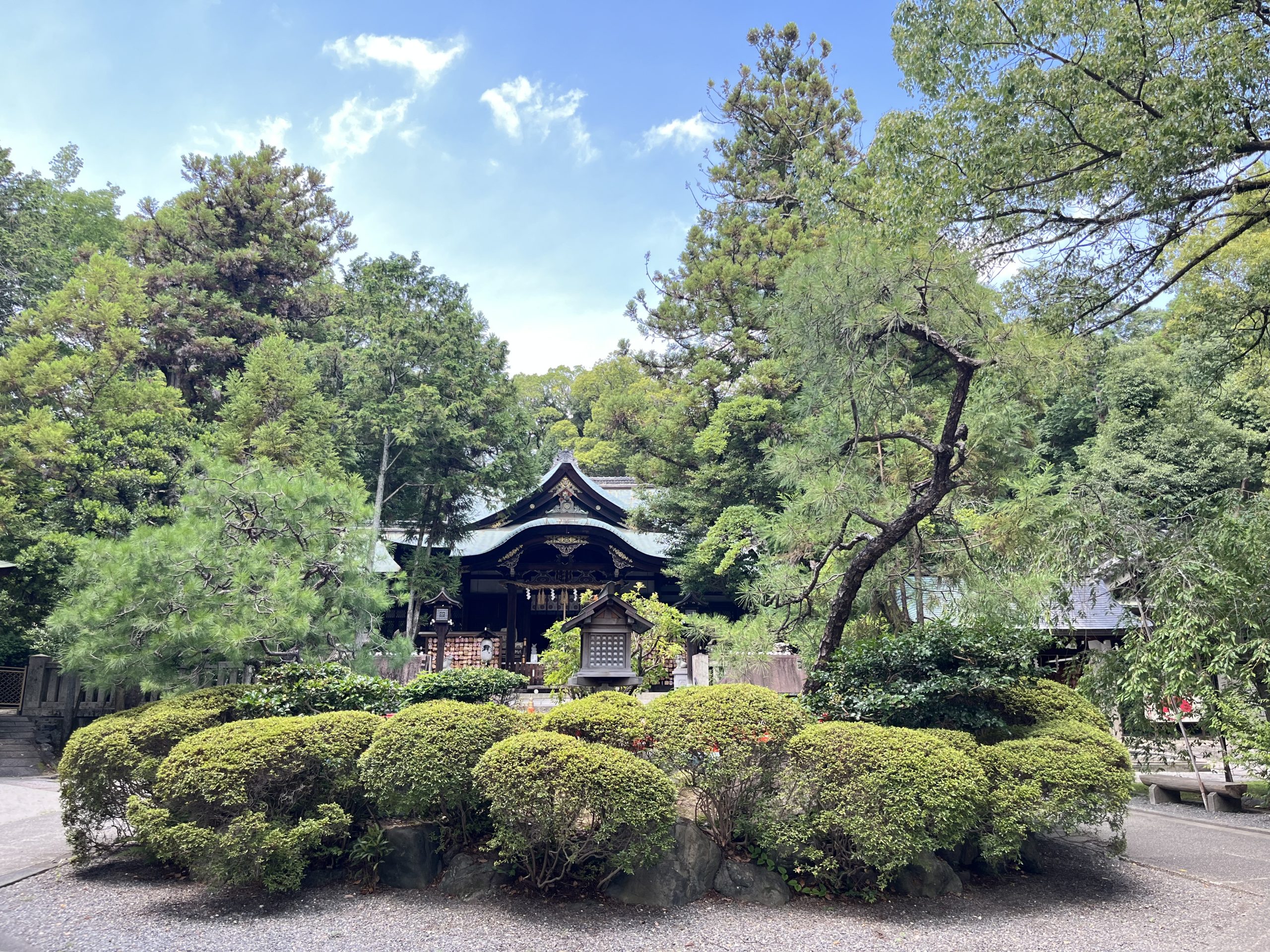
This is my Japan travel diary from my first trip through Osaka, Kyoto, Nara and Tokyo.
I had imagined Japan long before I finally arrived. For years, I had read about its culture in books like Ikigai and Kaizen, fascinated by the philosophy of finding purpose in the ordinary and making quiet, continuous improvements over time. I had marvelled at stories of Okinawa’s centenarians, elders living long, fulfilling lives rooted in community, gentle movement, and simplicity. In my mind, I had already built a version of Japan made of photographs: the neon glow of Osaka, the moss-lined shrines of Kyoto, the deer roaming Nara, and the endless hum of Tokyo.
I thought I was prepared for what it would feel like. But stepping off the train and into the country for the first time, I realized that living a moment in person is entirely different from reading about it on a page.
My Japan Travel Diary Begins with Quiet Moments
The very first thing that washed over me was a profound sense of calm. Japan is home to millions of people, yet life seems to happen with an extraordinary, soft order.
Even in bustling train stations during peak hours, there was no sharp jostling or loud voices competing to be heard. People queued patiently behind painted lines on the platform. When the train doors slid open, commuters stepped aside to let others off first, moving around one another with a gentle, unspoken awareness. On board, the carriages were almost completely silent. It wasn’t an awkward silence, but a shared, respectful atmosphere that allowed everyone a moment of peace between destination points.
It was a small realization, but it set the tone for the entire journey. Here was a place where consideration for others was built into the very fabric of daily life.
A Japan Travel Diary Begins in Osaka
We started our journey in Osaka, a city that immediately embraces you with warmth and energy. The streets around Dotonbori were an incredible tapestry of sound, color, and life. Massive illuminated signboards reflected across the canal, music drifted out of tiny doorway entrances, and the irresistible aroma of freshly cooked takoyaki and savory okonomiyaki filled the cool night air.
Every few paces, something called for our attention: local friends laughing over hot skewers at an outdoor stall, salarymen unwinding after a long day, and fellow travelers looking up at the glowing lights in awe. Yet, despite the thousands of people moving through the narrow streets, there was no chaotic edge.
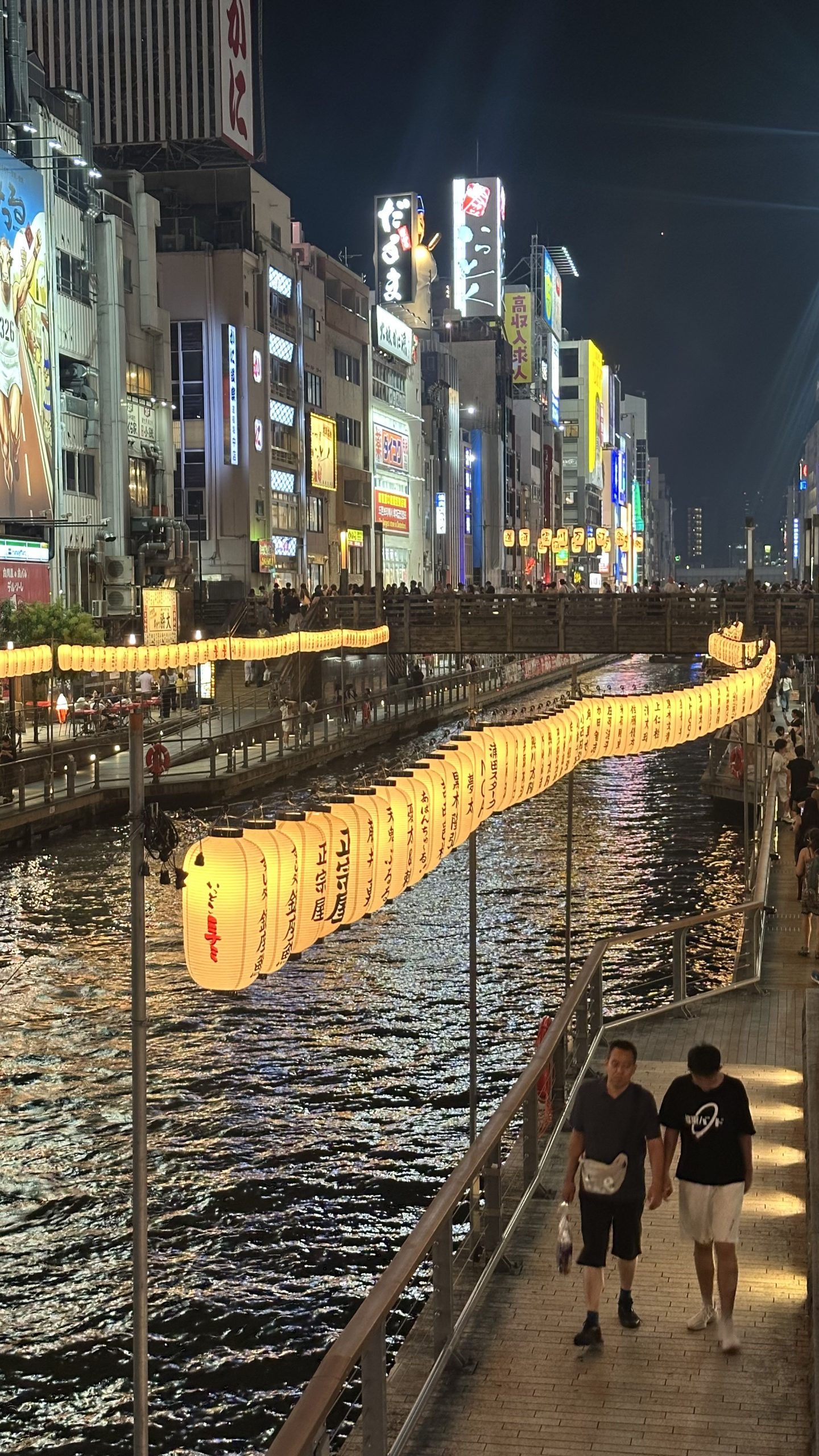
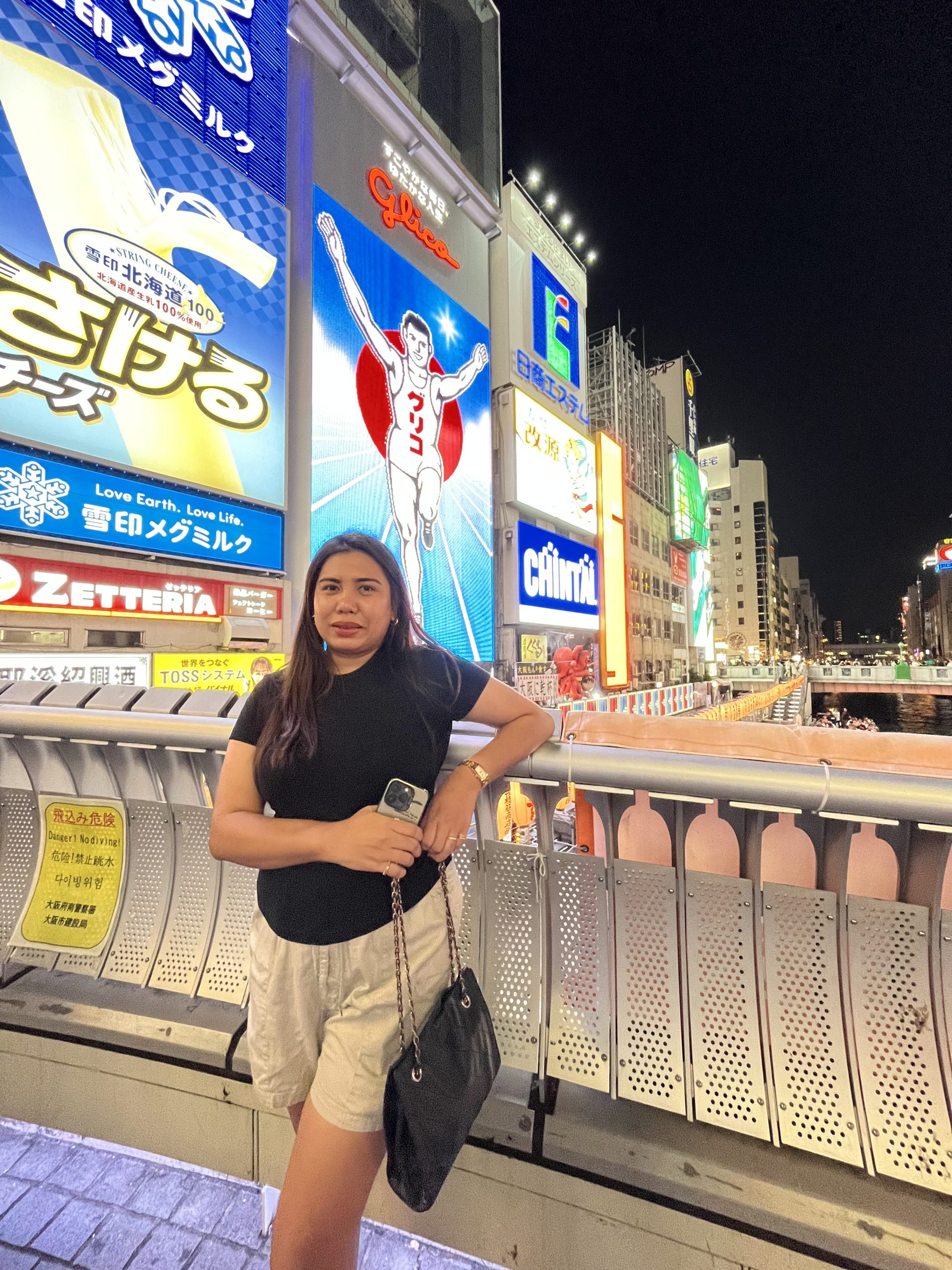
I remember stopping on a bridge over the canal, leaning against the railing, and simply watching. In the middle of this vibrant city, a strange thing happened. My mind went completely quiet. The mental clutter of work deadlines, home routines, and travel logistics simply evaporated. I wasn’t thinking about where we needed to be next. For the first time in a long while, I was entirely present.
Somewhere above the canal glowed the famous Glico running man, the sign every visitor to Dotonbori ends up photographing. I later learned that this version has stood there since 2014, and that it’s now being removed for renovations, with a new sign due in spring 2027. The running man will keep his pose. It made me grateful that I stood under those lights when I did, and it’s one more reason I want to go back.
Kyoto: Peaceful Parks, Quiet Prayers, and Ikigai
If Osaka was a joyful exhalation, Kyoto was a slow, quiet breath inward. The pace felt deliberate, and every street corner seemed to carry centuries of history.
We spent time wandering through Maruyama Park, where the rustle of leaves and the quiet trickle of stone fountains created an oasis of stillness right in the heart of the city. Walking beneath the green trees, I felt a deep, soothing peace settle over me. It was the kind of quiet that lets you hear your own heartbeat and simply breathe.
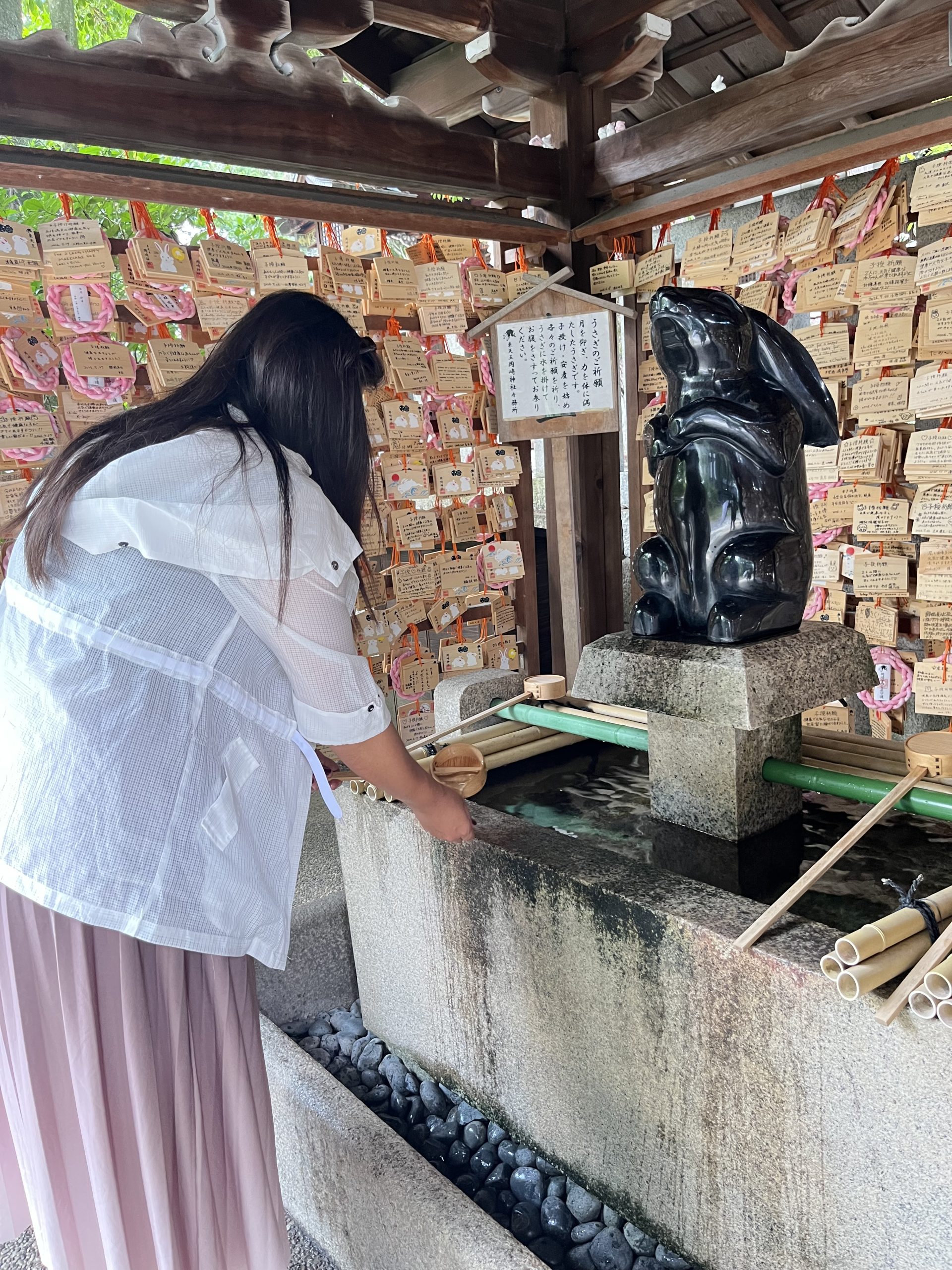
That sense of stillness stayed with me when we visited Okazaki Shrine, known lovingly as Kyoto’s Rabbit Shrine. Surrounded by soft stone rabbit statues, which are symbols of fertility, safe delivery, and new life, I stood before the altar. I bowed twice, clapped twice, and offered a quiet prayer from the bottom of my heart to get pregnant. Standing under the ancient wooden beams of the shrine, there was no anxiety about the future or pressure of time. It was just a simple, heartfelt hope released into a sacred, peaceful space.
Later, walking through Fushimi Inari Shrine early in the morning felt like stepping into another world. Sunlight filtered softly through the wooden pillars and surrounding forest leaves, casting warm patterns on the stone path. I found myself slowing my steps, looking at the weathered timber of the gates, noticing the small green patches of moss along the trail, and watching strangers pause to pay their respects. If I could keep only one page of this Japan travel diary, it would be the morning at Fushimi Inari.
It was here that my understanding of ikigai transformed. Before the trip, I thought of ikigai as a grand quest to find one’s overarching life mission. But observing daily life in Japan made it feel far more intimate.
I saw ikigai in the train conductor who bowed with pristine grace to an empty carriage before stepping off, in the barista who spent minutes perfecting a single cup of pour-over coffee, and in the shopkeeper who meticulously swept the pavement outside her bakery every morning before flipping the sign to open. It taught me that purpose doesn’t always have to be a giant, world-shaking accomplishment. Sometimes, ikigai is simply the decision to give your full heart and care to the ordinary thing right in front of you.
Unscripted Joy in Nara
In Nara, that sense of peace turned into pure, simple happiness. The famous bowing deer wandered freely throughout the park, stepping across green lawns and approaching visitors with unhurried trust.
Watching people interact with the deer was a joy in itself. Children giggled in delight as a deer gently nudged their pockets for deer crackers. Groups of tourists who didn’t share a common language were suddenly laughing and smiling together when a deer politely bowed its head to ask for a snack, playfully interrupting a photograph.
For a few hours, schedule pressures dissolved completely. Nobody was checking their watches. We were all just standing in the park, surrounded by ancient trees and gentle animals, connected by an unspoken feeling of lighthearted wonder. Nara felt like a soft pause button on the rest of the world.
Tokyo and the Beauty of Kaizen
Tokyo brought another shift in perspective. It is one of the largest metropolitan areas in the world, a vast horizon of soaring glass, crisscrossing train networks, and neon lights that pulse well into the night.
Yet, even in a city built on the future, the human scale was never lost. Sit in a small ramen bar squeezed beneath a train overpass, and you’ll watch a chef prepare each bowl with intense focus. Stand on a street corner, and you’ll notice how clean every walkway remains despite the millions of people passing through daily.
This is where kaizen, the practice of continuous, gentle improvement, became tangible to me. A massive city like Tokyo doesn’t function seamlessly because of heavy-handed rules. It works because millions of individual people take small, consistent actions every day to care for their work, their environment, and one another. One small courtesy, then another.
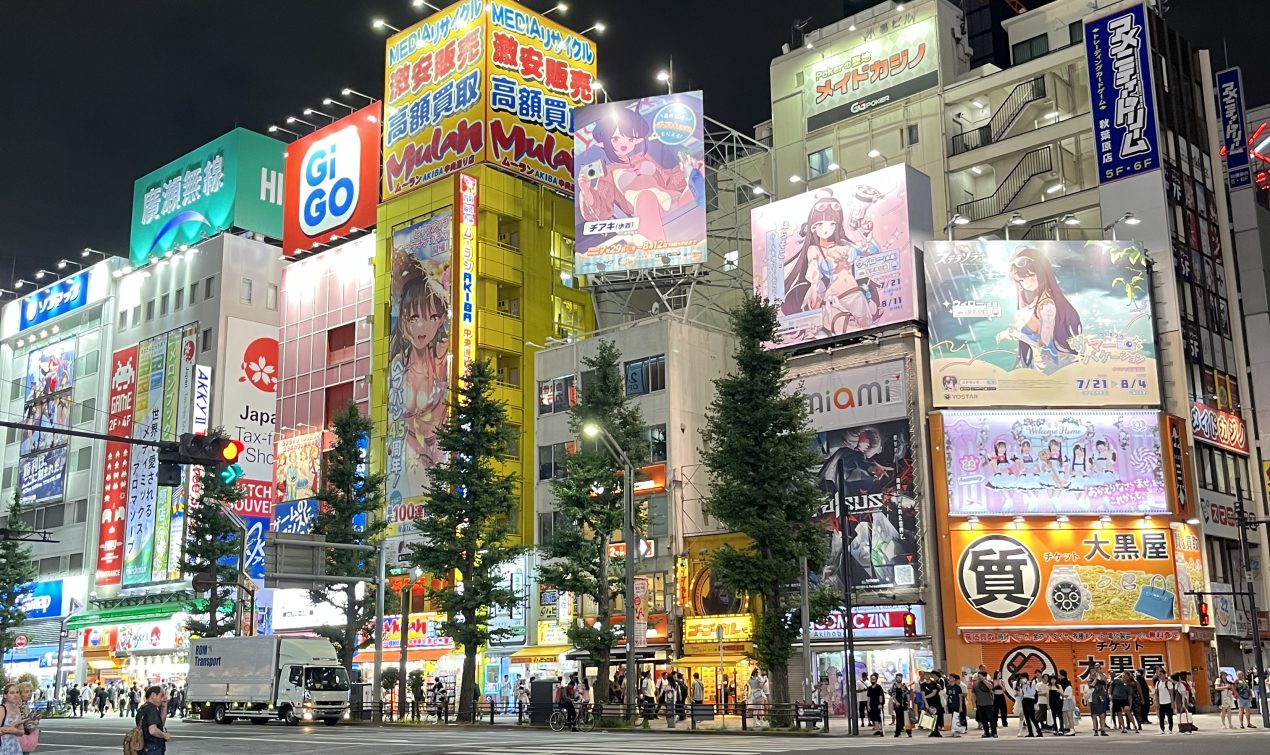
So often in life, we put pressure on ourselves to make massive, dramatic transformations overnight, to fix our routines, revolutionize our careers, or instantly figure out our future. But watching the quiet rhythm of Tokyo reminded me that meaningful growth happens through small, steady steps. We don’t need to have everything figured out right now. We just need to keep moving forward with patience and care.
Closing My Japan Travel Diary: Leaving Room to Return
There were places I didn’t get to experience on this journey. We didn’t catch a glimpse of Mount Fuji, as soft clouds kept it hidden during our travel days. Nor did we make it all the way south to Okinawa to sit with the centenarians and learn their secrets to longevity firsthand.
Travel has changed me before, like when a motorbike tour changed the way I travel, but Japan felt different.
In the past, missing items on an itinerary might have felt like a disappointment. But as the trip came to an end, I smiled at the thought of those unvisited places. Travel has a sweet way of reminding us that we don’t need a trip to be perfect for it to change us. Leaving things unseen isn’t a loss. It is simply a warm invitation to return.
I went to Japan expecting to see famous sights and cross items off a travel list. I came home with something far more valuable: a quiet mind, a lighter heart, a deep prayer carried in my soul, and a newfound appreciation for the hidden beauty inside ordinary days.
It reminded me of my first time in El Nido, when the beauty of the place stopped me in my tracks.
I’ll always cherish the glowing canal lights of Osaka, the serene forest paths of Kyoto, and the cheerful laughter in Nara Park. But what stays with me most is the gentle lesson Japan left behind. Life doesn’t always have to be a race to the next destination. Sometimes, the greatest gift you can give yourself is to stop rushing, look around, and simply be present in the moment you are in.
That’s what I’m taking home from this Japan travel diary: a quiet mind and a lighter heart.
